Thursday, October 29, 2020

Sélection des juges à Ottawa : « matière à scandale » Des experts et d'anciens membres du gouvernement Trudeau ...

Des experts et d'anciens membres du gouvernement Trudeau - dont l'ex-ministre Jody Wilson-Raybould - critiquent le rôle joué par le cabinet du premier ministre dans le processus de nominations des juges. 


Le 18 février 2019, un adjoint libéral du nom de François Landry met ses inquiétudes par écrit.

Dans un échange avec sa chef de cabinet, ce conseiller politique affecté aux nominations à la magistrature dit ressentir une forte pression politique venant du cabinet du premier ministre (CPM). Il ose même une analogie entre les pratiques du gouvernement Trudeau et les jeux d’influence qui ont mené à la commission Bastarache, sur le processus de sélection des juges au Québec en 2010.

J’ai besoin de parler de ce que le CPM exige avant les nominations à la magistrature. Cela soulève des préoccupations. Je pense que nous devons être plus prudents dans le contexte actuel. Je veux protéger le ministre... ainsi que moi-même, affirme M. Landry à Rachel Doran, la chef de cabinet du ministre de la Justice, David Lametti.

Ce courriel obtenu par Radio-Canada - ainsi que d’autres documents et témoignages - lève le voile sur les tensions internes au sein du gouvernement fédéral entourant la sélection des avocats qui seront invités à enfiler la robe de magistrat.

En entrevue avec Radio-Canada, l’ancienne ministre de la Justice Jody Wilson-Raybould confirme les pressions venant entre autres du cabinet du premier ministre. Elle affirme être fière des plus de 200 nouveaux juges qu’elle a nommés, mais ajoute qu’elle a dû ignorer de nombreuses tentatives d’influencer le processus en cours de route.
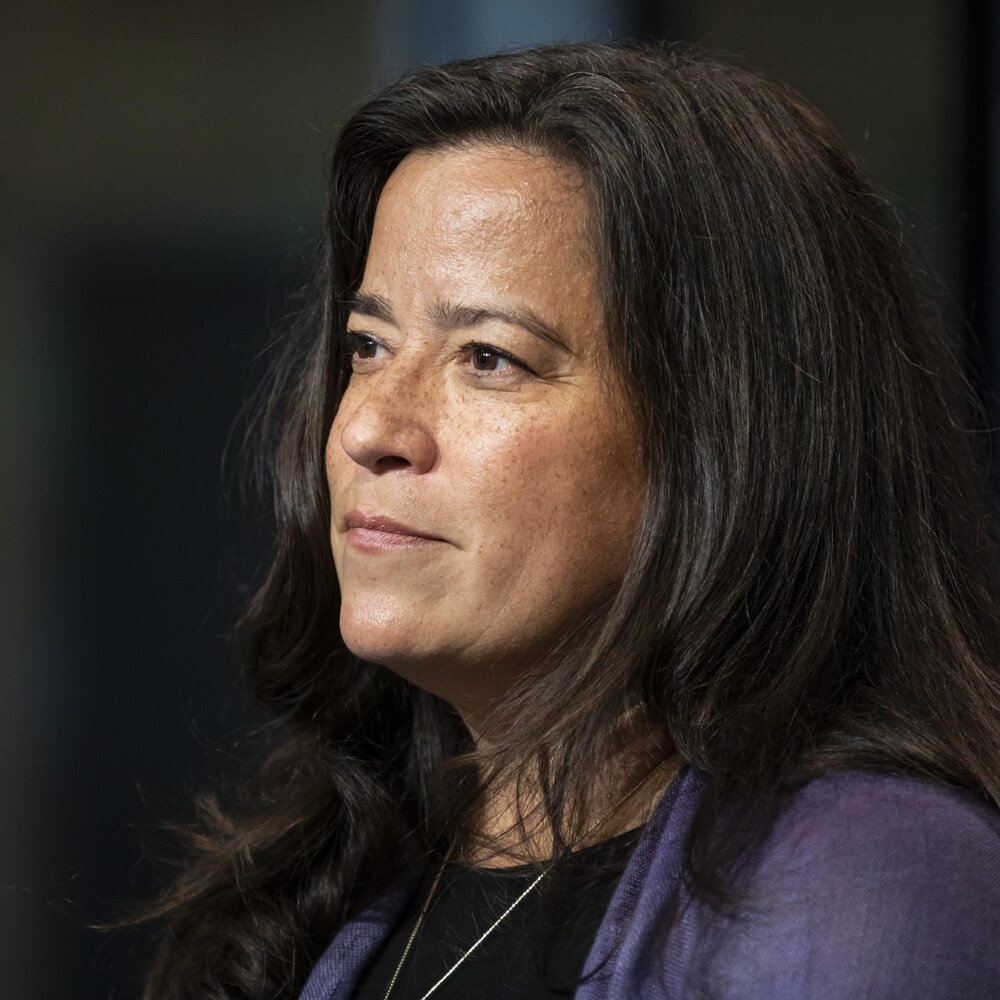
Jody Wilson-Raybould dans les studios de Radio-Canada, à Vancouver.
L’ancienne ministre fédérale de la Justice, Jody Wilson-RaybouldPHOTO : RADIO-CANADA / BEN NELMS

À l’époque où j’étais ministre, il y a eu des gens au “centre”, au cabinet du premier ministre, d’autres ministres, des partisans libéraux, qui ont pris un grand intérêt dans le processus de nominations, a affirmé Mme Wilson-Raybould. Certaines personnes ont cette impression que les nominations - que ce soit à la magistrature ou ailleurs - peuvent servir à obtenir des faveurs si on est partisan ou si on a fait quelque chose au bénéfice du parti.

Avant de travailler au ministère de la Justice, M. Landry avait de l’expérience en politique en tant qu’adjoint libéral à Québec. Il avait aussi déjà été dans le domaine des nominations à Ottawa, ayant travaillé dans cette fonction au ministère de la Famille.

Parlant au nom de trois autres adjoints qu’il avait consultés sur les nominations à la magistrature, M. Landry déclare dans son courriel qu’un d’entre eux n’est pas préoccupé, mais que les deux autres sont d’accord avec lui : Ils pensent tous deux qu’il y a matière à scandale.

Ce que nous faisons est similaire à ce qui a mené à l’établissement de la Commission d’enquête sur le processus de nomination des juges en 2010 au Québec, lance M. Landry dans sa note interne.

La comparaison frappe l’imaginaire. Présidée par l’ex-juge de la Cour suprême Michel Bastarache, cette commission d’enquête publique a levé le voile sur un système où les intérêts partisans prenaient une place démesurée dans la sélection des juges en 2010 et 2011 au Québec. Qui peut oublier les fameux Post-It de Chantal Landry - avec lesquels la chef de cabinet adjointe du premier ministre Jean Charest notait l’allégeance partisane des candidats - ou le rôle joué par des argentiers du Parti libéral du Québec, comme Franco Fava?

Dans son rapport final, déposé en 2011, M. Bastarache notait que l’absence de règles sur le rôle des intérêts partisans dans les nominations créait un « vacuum » et ouvrait la porte à l’exercice d’influences inappropriées sur la nomination des juges. À la suite de ce traitement choc, le Québec a réformé son processus de nomination et mis fin aux jeux de coulisses.

En 2016, le gouvernement libéral fédéral s’est targué d’avoir modernisé le processus pour mettre un terme aux efforts du précédent gouvernement conservateur d’amener la magistrature plus à droite. On parle alors chez les libéraux de créer un processus « ouvert et transparent » où les candidats les plus méritants seront récompensés.

Le ministre de la Justice défend aujourd’hui le système en place, affirmant que les choix sont effectués en fonction du besoin de chaque cour et d’objectifs précis, comme accroître la diversité au sein de la magistrature.

Durant mon mandat comme ministre de la Justice et procureur général du Canada, je n’ai jamais subi de pression pour nommer un candidat en particulier à la magistrature. Je suis le seul à décider quel candidat je recommande au cabinet et ma décision est basée sur les besoins de la magistrature, la qualité des candidats et la diversité de la magistrature. Il n’y a aucune considération partisane dans mon processus de décision, affirme M. Lametti.

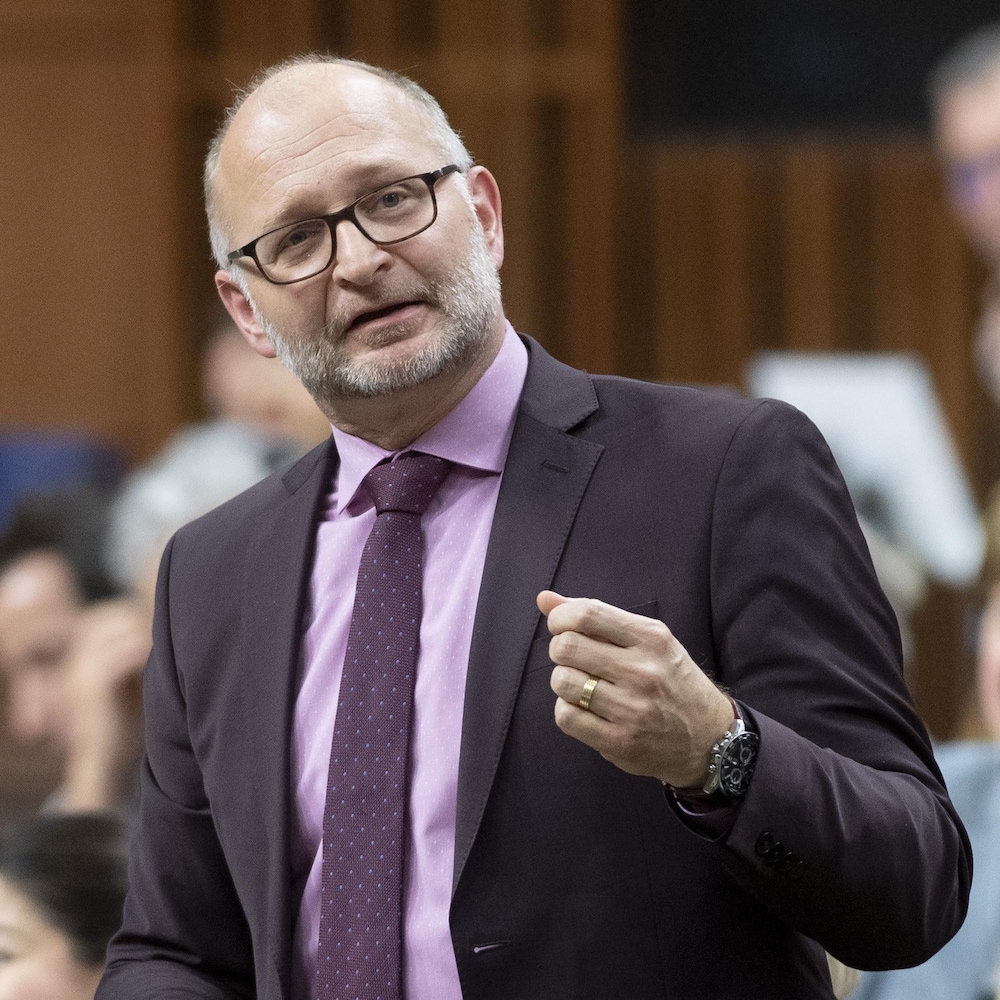
M. Lametti est debout à la Chambre des communes.
Le ministre fédéral de la Justice, David LamettiPHOTO : LA PRESSE CANADIENNE / ADRIAN WYLD

Selon les documents et témoignages obtenus par Radio-Canada, toutefois, les libéraux utilisent un système où les contributions et activités partisanes des avocats en lice sont notées, où de nombreux membres de l’establishment libéral ont une influence sur les nominations et où le cabinet du premier ministre exerce un fort contrôle.

Des vérifications sur les antécédents politiques de candidats sont faites par des employés du bureau de recherche du Parti libéral du Canada - une entité payée par les contribuables - avec l’aide de la base de données privée du parti.

En plus, le ministère de la Justice fournit souvent les listes complètes d’avocats qui sont admissibles pour une nomination au cabinet du premier ministre, permettant à la garde rapprochée de M. Trudeau de garder un oeil sur l’ensemble du processus, selon nos sources.

L’impact sur le système de Justice est réel. Des postes de juges ont été laissés vacants au fil des ans tandis que certains tentaient de pourvoir des postes avec des alliés du gouvernement, affirment nos sources.

Dans un autre courriel dont Radio-Canada a obtenu copie, M. Landry a fait part à ses supérieurs de plaintes provenant du cabinet du premier ministre. Selon M. Landry, celui-ci insiste pour que de soi-disant représentants du « grand public » qui analysent les candidatures d’avocats sur des comités indépendants soient, en fait, recommandés par des députés libéraux.

Nous travaillons très forts et la seule raison qu’il y a des délais, c’est que le [cabinet du premier ministre] a demandé d’être inclus pour tout contrôler.

 François Landry, ancien conseiller politique affecté aux nominations à la magistrature

M. Landry a quitté le bureau de M. Lametti il y a environ un an. Selon nos sources, le départ s’est fait en mauvais termes.

En réponse aux questions de Radio-Canada, il affirme pouvoir s’exprimer uniquement dans le cadre d’une commission parlementaire qui pourrait offrir l’immunité aux différents témoins et émettre des recommandations pour améliorer le système.

J'ai dénoncé des pratiques qui posaient de sérieux problèmes d'éthique. J'aurais beaucoup à dire à ce sujet et j'estime que ce serait d'intérêt public, a-t-il dit dans un commentaire écrit.

« Combien a été donné et sur quelle période? »

Selon nos sources, les tensions entourant les nominations à la magistrature remontent à l’époque où la ministre de la Justice était Mme Wilson-Raybould, de la fin 2015 au début 2019.

Celle-ci s’opposait particulièrement au rôle joué par le cabinet du premier ministre dans la sélection des futurs juges. Elle a même tenté de limiter l’information qui était partagée avec la garde rapprochée du premier ministre. Parmi les documents qu’elle ne voulait pas voir circuler, il y avait les résultats des consultations menées, sous le sceau de la confidentialité, par son cabinet avec les juges en chef des différentes cours.

Les tensions étaient telles que le processus a été paralysé pendant plusieurs semaines à cause d’un désaccord en lien avec certaines nominations en Ontario, selon une source.

Le cabinet du premier ministre a continué à insister pour avoir un rôle à jouer dans le processus, comme le démontre un courriel venant d’un de ses employés - Cameron Wilson - à une adjointe de Mme Wilson-Raybould.

Malgré ce qu’en pense François, nous devrions avoir accès aux commentaires provenant des membres du caucus, affirmait M. Wilson le 14 août 2018, faisant référence au conseiller à la magistrature Francois Giroux.

Selon d’autres courriels internes obtenus par Radio-Canada, le cabinet du premier ministre exige que de nombreuses vérifications soient faites sur les candidats envisagés pour un poste de juge. Premièrement, les ministres libéraux sont directement consultés sur les candidats envisagés pour pourvoir des postes dans leur province respective. Cette exigence est liée au fait que la plupart des juges sont nommés par le cabinet, sur recommandation du ou de la ministre de la Justice.

Le gouvernement Trudeau va plus loin. Grâce au code postal des candidats, le gouvernement identifie aussi ceux et celles qui habitent dans des circonscriptions représentées par des députés libéraux, qui sont ensuite consultés sur les candidats. Les députés de l’opposition n’ont pas le même droit de regard.

Il y a aussi de nombreuses consultations et discussions avec des partisans libéraux et certains avocats bien branchés. Par exemple, le gouvernement s’est assuré de consulter le président de l’aile albertaine du Parti libéral du Canada - un avocat de Calgary nommé Robbie Schuett - sur des nominations dans cette province, selon des courriels.

Selon un autre courriel, le bureau de recherche du Parti libéral - une entité qui travaille pour le caucus du parti - participe au processus de vérification des antécédents de certains candidats.

Par exemple, le 11 février 2019, M. Landry demande quelles vérifications il doit faire en lien avec un avocat de Toronto nommé Paul Schabas, reconnu comme étant plus à gauche. La directrice des nominations au cabinet du premier ministre, Mme Leftick, lui répond que le bureau de recherche du parti est sur le coup, j’attendrais pour l’instant. M. Schabas a été nommé à la Cour supérieure de l’Ontario l’an passé.

Tel que révélé précédemment par le Globe and Mail, le gouvernement fait des recherches en utilisant la « libéraliste » - la banque de données privée du Parti libéral du Canada - pour vérifier le passé partisan des divers candidats, y compris leurs dons politiques et leur participation à des événements libéraux. Le gouvernement avait noté, par exemple, qu’un avocat du Manitoba avait installé des pancartes libérales lors des élections de 2011 et 2015. Celui-ci a été nommé à la magistrature en 2018.

Les courriels démontrent aussi que les dons à d’autres formations attirent l’attention. Dans le cas de deux candidats qui avaient déjà donné au Nouveau Parti démocratique (NPD), le cabinet du premier ministre exigeait de connaître les dates et montants exacts des contributions.

J’ai besoin de plus de détails [...] Combien a été donné et sur quelle période? demandait M. Wilson à deux conseillers au ministère de la Justice - Laura Berger et M. Landry - à la fin janvier 2019.

Un ex-conseiller de Justin Trudeau nommé Mathieu Bouchard, lui-même avocat, fournissait souvent les commentaires de ses contacts dans le monde juridique au sujet de candidats potentiels au cabinet de la ministre de la Justice. Selon les postes disponibles, il pouvait encourager certains avocats à postuler, ou obtenir le statut de certaines candidatures auprès du cabinet du ministre de la Justice.

Dans ses communications, M. Bouchard affirmait aussi amasser des candidatures pour les postes de représentants du grand public dans les comités consultatifs à la magistrature. Il disait ensuite les transmettre au cabinet du ministre de la Justice, en y ajoutant ses recommandations.

« Il n’y a aucune restriction »

La sélection des juges a longtemps été liée au patronage et à la partisanerie, certains gouvernements utilisant ces nominations pour récompenser des alliés du parti au pouvoir. L’enjeu est de taille : une fois nommés, les juges peuvent servir jusqu’à la fin de leur vie dans certains pays, ou jusqu’à 75 ans pour les cours fédérales au Canada.

Les experts s’entendent pour dire que la confiance de la population envers le système judiciaire dépend en bonne partie de la perception du processus de nomination.

En 2010, l’ex-ministre de la Justice du Québec Marc Bellemare avait créé une commotion en affirmant avoir subi des pressions politiques en lien avec des nominations à la magistrature.

En réponse à ces allégations d’ingérence politique, M. Charest avait créé la commission Bastarache, qui avait un double mandat : vérifier les allégations contre M. Charest et étudier le processus de nomination.
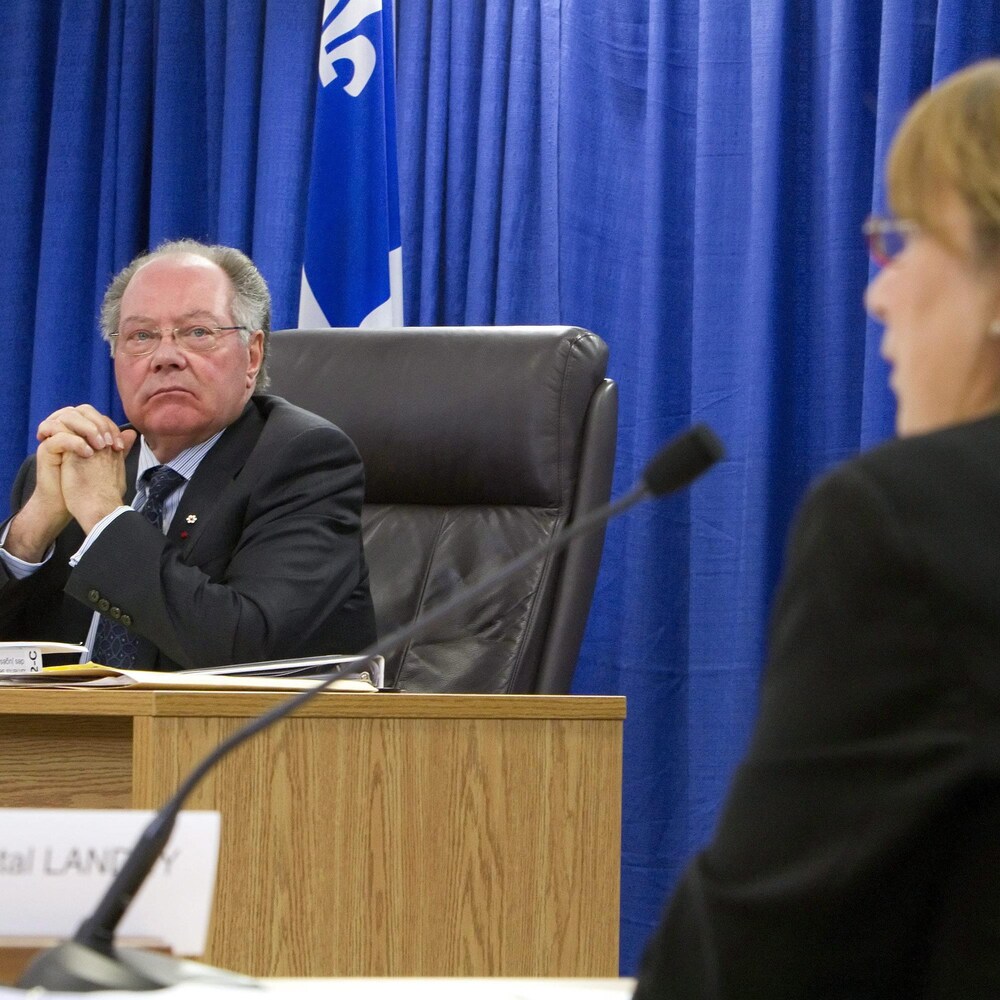
Le juge Michel Bastarache écoute le témoignage de Chantal Landry lors de la Commission d’enquête sur le processus de nomination des juges du Québec en 2010.
Le juge Michel Bastarache écoute le témoignage de Chantal Landry lors de la Commission d’enquête sur le processus de nomination des juges du Québec en 2010.PHOTO : LA PRESSE CANADIENNE / CLEMENT ALLARD

Bien qu’il n’ait pas retenu les affirmations de M. Bellemare contre M. Charest, le commissaire avait affirmé que le processus était malgré tout perméable aux interventions et influences de toutes sortes. Dans son rapport final, M. Bastarache avait formulé 46 recommandations pour améliorer la transparence, l'efficacité et l'imputabilité du processus de sélection et de nomination des juges et des membres du Tribunal administratif du Québec.

Dès le début 2012, le gouvernement du Québec modifie de fond en comble son processus de nomination à la magistrature. Afin de réduire les risques que les choix soient teintés par la partisanerie, Québec a décidé de lancer des concours individuels pour pourvoir chaque poste vacant, comme c’est déjà le cas en Ontario.

Ainsi, le gouvernement se doit de choisir un juge parmi un petit nombre de candidats préapprouvés par un comité indépendant. Un processus semblable a cours au Royaume-Uni.

À Ottawa, à l’inverse, le gouvernement fédéral choisit les nouveaux juges parmi un grand groupe de candidats admissibles. Les candidats auront été approuvés au préalable par un comité consultatif sur les nominations à la magistrature, mais rien ne garantit, par exemple, que les candidats « fortement recommandés » par ces comités auront préséance sur des candidats qui ont la mention inférieure de « recommandés ».

Dans une note interne qui a circulé en 2019, la sous-ministre de la Justice à Ottawa, Nathalie Drouin, affirmait que dans le système actuel, il n’y a aucune restriction sur la façon dont le ministre de la Justice décide quel candidat sera recommandé pour une nomination ni sur la façon dont les autres ministres sont impliqués dans l’évaluation des candidats.

Dans son rapport de 2011, M. Bastarache conclut que les consultations au sujet des candidats à la magistrature devraient se limiter à vérifier les éléments se rapportant aux facteurs qui doivent être pris en ligne de compte dans la décision de nommer un juge.

« C’est une faute éthique grave »

Professeur de droit constitutionnel à l’Université Laval, Patrick Taillon estime que le système de nomination au fédéral demeure « opaque » sous le gouvernement Trudeau.

Patrick Taillon devant un micro de Radio-Canada sur le bord d'une rue.
Patrick Taillon, professeur de droit constitutionnel à l’Université Laval.PHOTO : RADIO-CANADA

Le problème, c’est que la nature profondément politique de la phase finale du processus, elle persiste. C’est difficile de savoir avec transparence quelle est la part d’influence du processus administratif et quelle est la part d’influence du processus politique, déclare-t-il en entrevue à Radio-Canada.

Parlant de l’utilisation de la « libéraliste » dans le processus de vérification des candidats, il affirme que le gouvernement franchit des lignes et risque de transformer la magistrature en un enjeu politique, comme cela se voit présentement aux États-Unis.

C’est une faute éthique grave que d’entrer des considérations proprement partisanes dans le processus de nomination.

 Patrick Taillon, professeur de droit constitutionnel à l’Université Laval

Professeure de droit à l’Université de Sherbrooke, Geneviève Cartier a produit un rapport d’expert sur le pouvoir discrétionnaire du gouvernement dans le processus des nominations pour la commission Bastarache. Interrogée sur le système en place au fédéral, elle soutient qu’il serait possible d’instaurer de nouvelles règles, entre autres en exigeant que le ministre de la Justice justifie ses choix publiquement.

Il y a manifestement au gouvernement fédéral une marge de manœuvre très importante [...] qui peut gagner à être davantage balisée, ne serait-ce que pour nourrir ou pour favoriser la confiance du public dans le processus de nomination, dit-elle. Une des meilleures manières de se contraindre quand on exerce un pouvoir discrétionnaire, c’est d’être obligé d’expliquer sur quelles bases on a pris nos décisions.

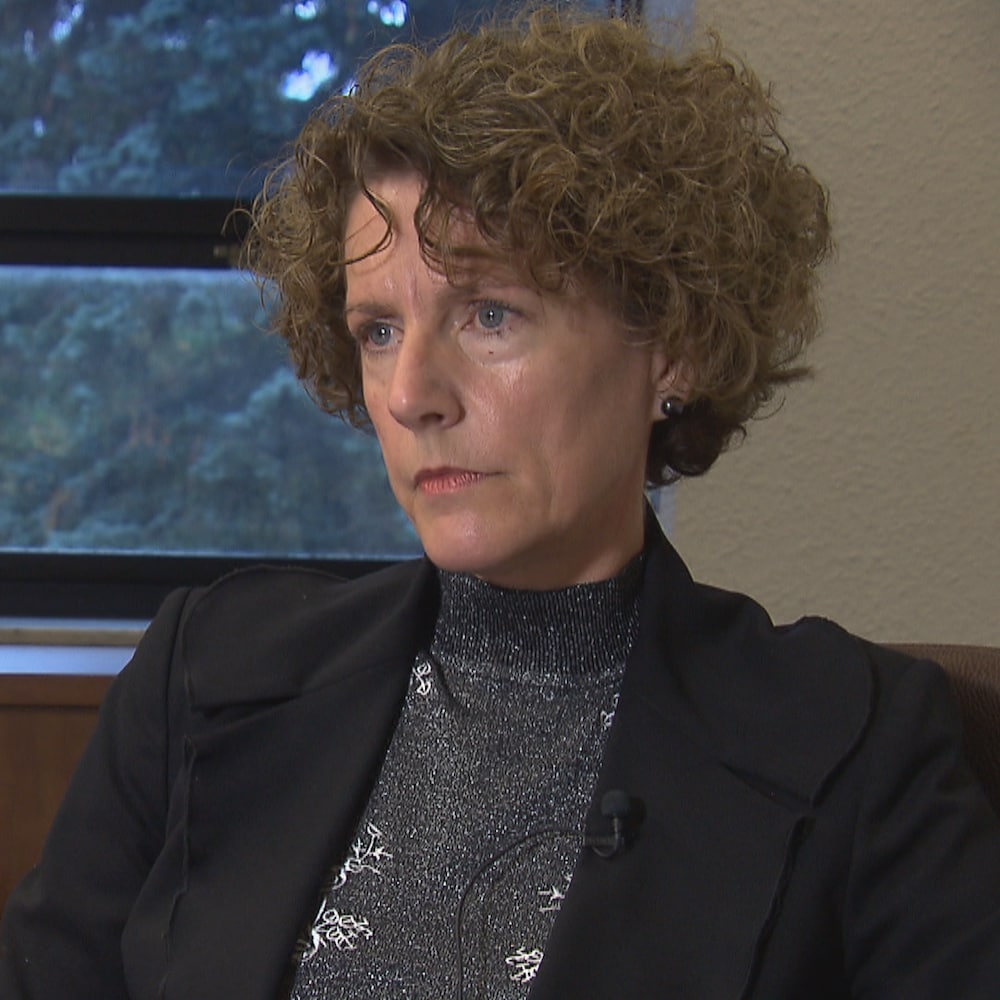
Geneviève Cartier qui regarde vers la gauche.
Geneviève Cartier, professeure de droit à l’Université de Sherbrooke.PHOTO : RADIO-CANADA

Quant aux vérifications en cours au fédéral sur les activités partisanes d’un candidat, elle se fait tranchante : Il m’apparaît évident qu’une loi qui désigne le pouvoir de nommer des juges ne peut pas avoir pour objectif de remercier les amis du régime ou de favoriser les candidatures qui ont donné à la caisse électorale du parti ou de punir les candidats qui font partie de l’opposition.

« Nous sommes fiers de la qualité des juristes nommés »

En 2016, le gouvernement Trudeau a réformé le processus de nomination, affirmant vouloir éviter certains abus qui avaient eu lieu sous le gouvernement précédent, celui de Stephen Harper. Par exemple, le gouvernement a retiré l’imposition d’un membre des services policiers dans chaque comité consultatif sur les nominations à la magistrature, ce qui avait fait partie des efforts des conservateurs en faveur de la « loi et de l’ordre ».

De plus, le gouvernement fédéral disait que les comités consultatifs auraient comme mandat de trouver des candidats qui représentent mieux la diversité canadienne.

Les mesures que nous présentons aujourd’hui rendront le processus de nomination plus ouvert, transparent et responsable pour les nominations à venir, ce qui se traduira par une magistrature qui reflète davantage la diversité de la société canadienne, disait Mme Wilson-Raybould dans un communiqué.

Toutefois, le gouvernement ne nomme pas seulement des candidats qui ont été « fortement recommandés » par les comités consultatifs. Dans certains cas, le gouvernement peut piger dans la catégorie des candidats « recommandés » pour accroître la diversité au sein de la magistrature, un objectif qui a été annoncé publiquement et qui fait consensus au sein du monde juridique.

Un doute subsiste quant à la possibilité de nommer des candidats moins qualifiés pour des considérations partisanes. Lorsque les statistiques sur les nominations sont publiées tous les ans, il est impossible de savoir combien de nouveaux juges proviennent de chaque catégorie.

Le cabinet de M. Lametti affirme que toutes les vérifications qui sont faites sur chaque candidat, avant sa nomination, servent au ministre alors qu'il se prépare à la discussion au sein du cabinet, ainsi qu'à répondre à toutes questions éventuelles des médias, des parlementaires ou des Canadiens.

Les dons politiques n'avantagent ni n'excluent un candidat de la nomination à la magistrature. Nous sommes fiers de la qualité des juristes nommés suivant notre réforme [de 2016], ainsi que des commentaires positifs reçus de la part de la communauté juridique à travers le Canada.

 Rachel Rappaport, attachée de presse du ministre David Lametti

M. Bastarache n’a pas voulu répondre aux questions de Radio-Canada sur le processus de nomination au fédéral. Dans ses mémoires publiés l'an dernier, M. Bastarache se disait fier de l’impact de son travail au Québec, ajoutant que cette province était maintenant un modèle à suivre.

Les politiciens doivent nommer les juges. Mais il faut que ce soit bien réglementé et qu’il y ait des barrières institutionnelles pour empêcher les nominations partisanes, écrit M. Bastarache. Je crois que tous les systèmes peuvent être améliorés, en particulier le processus de nomination au gouvernement fédéral.

Mme Wilson-Raybould ajoute que le système existant peut produire de bons résultats, mais que cela dépend quand même des personnes en poste.

Lorsqu'on lui demande si le système doit être réformé, elle répond : « Il faut demeurer vigilant. Il est important que chaque processus en place, y inclus le processus judiciaire, puisse être évalué et puisse être amélioré ».

Tuesday, September 15, 2020

Leslyn Lewis to seek Haldimand-Norfolk Conservative nomination – has support of current, and retiring, MP Diane Finley

  Leslyn Lewis to seek Haldimand-Norfolk Conservative nomination – has support of current, and retiring, MP Diane FinleySeptember 15, 2020“Haldimand-Norfolk is a beautiful place with the most amazing, hard-working people. It would be an absolute honour to represent them and fight to make their lives better,” said Leslyn Lewis, former leadership candidate for the Conservative Party of Canada.Leslyn Lewis proved to be a formidable competitor in the recent Conservative Leadership race, securing 30 per cent of points nationally on the second ballet and winning the popular vote. 


Support for Lewis in Haldimand-Norfolk was over 50% of the vote.“Leslyn has shown time and again that she is hardworking and passionate, just like the people here in Haldimand-Norfolk. Not only has she proven with each conversation that she is knowledgeable about the issues that matter most to our community, but the way that she connects with people makes me confident that she would represent us incredibly well.


I offer Leslyn my full support as she works toward becoming the Member of Parliament for Haldimand-Norfolk,” said current MP Diane Finley.On August 17, 2020, Finley announced that she wouldn’t be running in the next federal election.Recently, Finley and Lewis were seen touring around both Haldimand and Norfolk Counties, meeting prominent people in the community, and Lewis has now begun house hunting in the riding.“In the tired and polarized world of Canadian politics, there is an exciting, refreshing and positive new candidate in the mix. 


I had the privilege of being introduced to Leslyn Lewis for the first time, and Canada’s Conservative party can only be positively energized with Leslyn on board. She is engaging, optimistic and genuine”, said Steve Fenton, President of Battlefield International located in Cayuga, Ontario ... the county seat of Haldimand County.


He continued, “I don’t think it’s possible to spend time conversing with her regarding any topic and not leave the conversation with a fresh upbeat perspective about the subject. Leslyn Lewis is a highly intelligent and bright new light in Canada’s political world well worth considering regardless of the party you presently support.”“Leslyn Lewis is very straight-forward and I like that. 


 Her common sense approach on issues makes Leslyn a candidate I can trust.” said Murray Porteous, HN Conservative EDA Board Member and Norfolk County Farmer.Leslyn Lewis is a mom to two children, who holds a PhD in law and a Masters in Environmental Studies and has her own law firm. 


She has been involved in grassroots politics for several years, and plans to use her professional experience to develop common sense policies that will improve the lives of Canadians.


When it comes to the environment, Lewis has consistently promoted a plan that includes incentives for green tech and tax credits for green home and business renovations over a carbon tax.“To me, if you want to get things done and do them well, you need courage, compassion and common sense. 


This has always been my motto, whether it’s fighting injustice or raising my family, that’s what I will bring to the table as the Conservative candidate for Haldimand-Norfolk.I hope that I can count on your support because, together, I know that we can do great things,” Lewis concluded.      


 https://acuriouslookatpoliticsinbc.blogspot.com/2020/09/leslyn-lewis-to-seek-haldimand-norfolk.html?fbclid=IwAR31wKb9A_2Gjloa1Of_yA-xH6GyG0GYicIT7XBE2uqHfFA02qAjbFVyyzc

Friday, September 4, 2020

How Leslyn Lewis turned around a struggling campaign to contend for the Conservative leadership

'We could all see her potential. But the thing that's keeping her back is her campaign'

Wednesday, August 19, 2020

"Human 2.0"? A Wake-Up Call To The World

"Human 2.0"? A Wake-Up Call To The World


00:00

- So, what do you think
about going from "Human 1.0"
00:02

to "Human 2.0", and what does that mean?
00:06

Well, going from humans
as we now know ourselves
00:10

to "Human 2.0" has something
to do with "transhumanism".
00:14

If you're not familiar with that term,
00:17

it's about taking humans
as we know ourselves
00:22

and melding with artificial intelligence,
00:25

kind of like being in "The Matrix"
00:27

if you've ever seen that movie.
00:29

And that may seem kind of cool to you.
00:32

We might have some superhuman abilities,
00:34

maybe be able to think of
something and it happens.
00:39

Maybe have some physical abilities
00:41

that would be almost superhuman like.
00:43

That's the idea,
00:44

that's what you see in sci-fi movies.
00:47

And for myself thinking about this topic,
00:50

I'm like, well, I have some time.
00:51

I think that's many years in the future.
00:54

However, this question, this idea
00:58

is now right in this moment.
01:01

We need to make a decision.
01:02

And I found out that we need
to make a decision about this
01:06

because I investigated the
proposed COVID-19 vaccine,
01:11

and this is my alarm call to the world.
01:15

I looked at the pros and
cons, and it frightens me.
01:20

And I want you to know about this.
01:21

You need to be very well
informed because this new vaccine
01:24

is not like your normal flu vaccine.
01:27

This is something very different.
01:29

This is something brand new.
01:30

This is something completely
experimental on the human race.
01:33

And it's not just about
being a different vaccine.
01:36

There are technologies
that are being introduced
01:39

with this vaccine that can
change the way we live,
01:42

who we are and what we
are, and very quickly.
01:47

I think that, you know, some people
01:50

that you might know
these names, Elon Musk,
01:53

who is the founder of Space
X and Tesla Automotive,
01:57

as well as Ray Kurzweil,
01:58

who is one of the big wigs of Google.
02:03

These are self-proclaimed transhumanists.
02:06

They believe that we
should go to "Human 2.0",
02:10

and they are very big proponents of this.
02:13

There's a lot of other people
02:15

that you might know their names.
02:16

They're also involved with this.
So you should look that up.
02:21

I think the easiest way
to explain this to you
02:23

is to go with one of the
front runners for the vaccine
02:26

and go into a little bit of the history
02:28

and tell you how they
want to make the vaccine.
02:31

And I think that will speak volumes.
02:34

So for instance, Moderna
02:35

is one of the front runners
for the COVID-19 vaccine.
02:39

You should know that Moderna was founded
02:42

by a person from Harvard, Derek Rossi,
02:47

and this researcher
actually was successful
02:50

in taking some modified RNA
02:53

and being able to reprogram
a stem cell in the body
02:58

and change the function of the stem cell.
03:00

He actually made it
genetically modified, okay?
03:04

So you can, he proved
03:06

that you can genetically modify something
03:09

by using modified RNA.
03:12

So they founded the company
Moderna on this concept.
03:16

It's kind of a new kid on the block, okay?
03:17

It's not been around that long.
03:19

In fact, it hasn't even made
any vaccine for a human before.
03:23

It's made no medicine for a human before.
03:25

This will be their first run.
03:28

You must know that Moderna
was in the news recently
03:32

because it really fast-tracked,
03:35

it's like the other companies,
03:36

it's fast-tracking the vaccine.
03:38

It's going from phase one to
phase two very, very quickly.
03:43

In fact, it's gone from
phase one to phase three
03:47

in it's experiments
03:48

from March of this year until currently.
03:51

I mean, that is unbelievable.
03:53

It usually takes five or six years.
03:55

How are they able to
do this with the safety
03:57

and efficacy data that we need?
04:00

And I want you to know that in phase two,
04:02

we only use between,
04:04

they're only using
between 30 and 45 humans.
04:07

In Moderna's test study,
they only used 45 humans.
04:12

And with the high-dose
vaccine group, they got,
04:17

100% of those people got
systemic side effects.
04:22

100, that's only in the
short side-effect profile.
04:26

And the low-dose vaccine, 80%,
04:29

80% got systemic side effects.
04:32

Now we don't even know the
longterm side effects from that.
04:35

We would need a lot longer
time, right? Maybe years.
04:39

But we do know based on
previous animal studies
04:41

of using this technology
that you're going to,
04:45

you can expect possibly
increased cancer rates,
04:49

increased mutant genes, mutagenesis,
04:52

also increased auto-immune reactions.
04:55

For instance, in some
of the ferret studies,
04:57

they saw that when the ferret
was introduced to the virus
05:02

that they were trying to
protect the ferret from
05:04

after the ferret got the vaccine,
05:06

they actually had an
exaggerated immune response.
05:09

It actually hurt the ferret.
05:10

They had more lung
inflammation, more lung fluid,
05:13

even some problems with their liver.
05:15

It actually hurts them.
They had a poorer response.
05:19

Okay, so this, those are
longer-term reactions,
05:22

and that could be seen with this vaccine,
05:24

but we don't know the data yet.
05:26

So it's not without risks.
05:28

And, how are they doing this?
05:31

Well, they're actually
suggesting to use a platform.
05:37

Let me just explain how they
would administer the vaccine.
05:42

So the vaccine,
05:44

there's an idea called
microneedle platform, okay?
05:48

This was developed by MIT,
05:50

and they said it could be
very easily produced, okay?
05:54

And mass produced.
05:55

This is why they're
proposing this technology.
05:57

And many millions of vaccines
could be made quickly.
06:00

They could also be
administered by yourself.
06:03

So the idea is to get a bandaid.
06:06

It looks like a bandaid you
buy it in the drug store.
06:08

It's shipped to you through Amazon
06:10

or UPS or some other shipping service.
06:12

You take it out of the package,
06:13

you put it on your hand like this,
06:15

and then you take the sticker off,
06:17

and, voila, you've been vaccinated.
06:19

So how is that possible?
06:21

Well, in this bandaid,
06:23

it has little tiny spicules,
little tiny needles,
06:27

and this was designed after a
snake viper fang bite, okay?
06:33

Or snake viper fangs.
So little snake bites.
06:37

Anyway, in these tiny little spicules,
06:40

they claim you won't
really feel it that much,
06:42

there's a, they're a little hydrogel.
06:45

It's a material called "HYDROGEL".
06:46

Inside the hydrogel would
be a "luciferase" enzyme,
06:51

as well as the vaccine itself.
06:54

Okay. So what is all that?
06:56

So first of all, you're
getting the vaccine.
06:58

It's modified RNA or modified DNA.
07:01

Let's take, Moderna, modified RNA.
07:04

So in that modified RNA,
the idea is that it would,
07:08

the microneedles would puncture
07:10

into your cell membrane, okay?
07:12

And this synthetic piece of an RNA,
07:16

it's a code for the part of the virus.
07:19

Or they could use a synthetic DNA to code
07:22

for the part of the virus,
would go into your nucleus.
07:25

Your body would start transcribing.
07:27

It would start reading it
07:29

and making more of that part of the virus.
07:32

Well, why would we want
to make more of the virus
07:34

or part of the virus?
07:35

The idea is your body would
get used to seeing it,
07:37

would know how to make antibodies
07:39

and would have an
improved T cell response.
07:41

And the idea is then when
you saw it in the future,
07:44

your body would already
know how to fight it,
07:46

and it would be a better response.
07:48

That's the idea.
07:50

The problem with that is
they're using something
07:53

called a process called TRANSFECTION,
07:55

and transfection is a way
07:58

that we make genetically
modified organisms.
08:01

Okay. I think you know about
those fruits and vegetables.
08:05

They're not as healthy
08:06

as the normal wild type
fruit and vegetables.
08:10

So possibly you could
extrapolate that to a human.
08:12

If we become genetically modified,
08:15

we would not be as healthy, okay?
08:17

We don't have longterm
studies on this, anyway.
08:19

It is unbelievable.
08:21

And, you know, the vaccine manufacturers
08:24

have made this statement.
08:25

This will not alter our DNA, our genome.
08:27

I say that is not true.
08:29

Because if we use this process
08:32

to make a genetically modified organism,
08:34

why would it not do the
same thing to a human?
08:38

I don't know why they're saying that.
08:40

Now, if you look at the
definition of transfection,
08:44

it'll tell you that it
can be a temporary change
08:48

in the cell, and I think
08:49

that's what the vaccine
manufacturers are banking on.
08:52

It's temporary,
08:53

or it's a possibility
for it to become stable,
08:57

to be taken up into the genome,
08:59

and so stable that it
will start replicating
09:01

when the genome replicates,
09:02

meaning it is now a permanent
part of your genome.
09:06

That's a chance that we're taking.
09:07

So it could be temporary
or it could be permanent.
09:10

And we would never know that
09:12

for years down the road, honestly.
09:15

So here we go.
09:17

We've got something that
can alter our genome.
09:21

It's a possibility.
09:22

And another thing on that.
09:24

If they're altering the genome,
09:27

what would be the effects?
09:28

I told you previously
some of the side effects,
09:30

but also we need to know
09:33

that this is a synthetic
piece of DNA or RNA, okay?
09:37

And if it becomes taken up
into the genome of a human,
09:42

it's synthetic, it's not from nature.
09:45

And if you look at the
Supreme Court Justice ruling
09:48

on synthetic DNA or genes,
09:52

it can be patented, and
patents have owners.
09:56

So what does that mean for us?
09:57

What if this gets into our genome?
09:59

Does that mean Moderna
10:01

or the Bill and Melinda Gates Foundation
10:04

or the Department of Defense,
10:06

all of these people who are
involved in the patents,
10:08

are they somehow going to
own part of our genome?
10:13

It's a possibility. You need to know that.
10:16

So that's one part of this
delivery system. Just one.
10:19

Now let me go to the next.
10:21

The next part of the delivery
system is a LUCIFERASE enzyme.
10:25

Okay. They named it.
They patented LUCIFERASE.
10:29

I don't like that name.
10:31

Luciferase: because it has
bioluminescent qualities.
10:35

Which means it can produce a
light or it has a light source.
10:40

And all of this would be under your skin,
10:42

and you cannot see it.
10:43

Now, the LUCIFERASE is an idea
10:46

because they want to make
sure that you're vaccinated.
10:48

They don't trust medical records.
10:50

They don't trust you saying
that you got vaccinated.
10:52

They want to make sure.
10:53

And they want to make
sure it was successful.
10:55

A say a successful transfection,
10:57

a successful gene modification.
11:00

So when you get the LUCIFERASE enzyme,
11:02

if you have an iPhone or a
special app on the iPhone,
11:06

you can scan over that area,
11:07

and it will give a digital code,
11:10

a digital imprint, a digital pattern,
11:12

something that will identify
that you were vaccinated.
11:15

It holds your vaccination record.
11:18

It also gives you an ID,
11:21

a number, a bar code, a branding,
11:24

whatever you want to call it, a tattoo.
11:26

It's all the same thing.
11:28

You now become like "a product".
11:31

So we have that.
11:33

Now the third thing I
mentioned was HYDROGEL.
11:36

So HYDROGEL is actually
an invention from DARPA,
11:41

the Department of Advanced
Research Projects Agency.
11:45

This is kind of a sci-fi kind of a group
11:49

from the Department of Defense,
11:50

Pentagon of the U.S. government.
11:53

They make these fantastic inventions.
11:56

So one of them is HYDROGEL.
11:59

HYDROGEL, you can Goo... I'm sorry.
12:01

You can YouTube. Look on YouTube.
12:03

Look at Profusa is one of the companies.
12:06

DARPA, as well as HYDROGEL.
12:08

And you'll find some
little two minute clips
12:10

that they describe.
12:12

So HYDROGEL's nanotechnology,
microscopic little robots,
12:15

and these little robots,
actually, I know it sounds crazy.
12:19

It's still crazy to me,
but it's possible, okay?
12:22

They can disassemble,
reassemble, assemble into
12:26

and make different things.
12:28

So with this HYDROGEL, it has,
it's really nanotechnology.
12:33

So that's something, you know, robotic
12:36

or something that's
artificial intelligence.
12:39

It has the ability to connect
with artificial intelligence.
12:42

So this means that a human
can now connect to directly
12:47

and gather information from our bodies
12:49

and gather it and connect
with your smartphone,
12:53

with the cloud, with
some other smart device.
12:57

And once this is done,
this is 24 hours a day,
13:00

seven days a week, 365 days a year.
13:04

Think about that.
13:06

Think about how immediately
that could change our privacy.
13:11

Immediately can change our autonomy.
13:13

Immediately change our freedoms.
13:17

This can gather data
like your blood sugar,
13:20

your oxygen, your blood pressure.
13:22

Okay, those sound great,
13:25

but it also can gather many other things.
13:28

It can gather, they say, your emotions
13:31

or your menstrual cycle, your activity,
13:35

if you've fallen, your
nutrients in your body,
13:38

if you took a medicines.
13:40

It's a potential to see if
you took a list of drugs.
13:42

It's got a potential
to see almost anything
13:44

that goes on in your body.
13:48

And all of this
information is going where?
13:51

That has not been addressed.
13:52

Who's protecting this information?
13:54

What are they using it for?
13:56

This is really serious stuff, guys.
13:58

This is all being
proposed of being unveiled
14:01

in the next vaccine, okay?
14:05

The other thing to know is
with this NANOTECHNOLOGY,
14:09

HYDROGEL, artificial
intelligence, you know, hookup,
14:13

just like your cell phone,
you can send a text message.
14:18

You can send an email, but
also you can receive them back.
14:22

So that means we could
receive information.
14:24

What information would
be coming back into us?
14:27

Would it affect our mood, our behavior?
14:31

Would it affect, you know, how we,
14:34

how we think or our memories?
14:37

If you haven't watched the movie "Matrix,"
14:39

I think you should.
14:40

I think there's some truths
in that, in that movie.
14:44

I see so many wrong
things with this vaccine,
14:48

and I see that we are not talking about it
14:51

in the major media.
14:53

And I see that.
14:55

I feel that these companies
are outright lying to us
14:58

when they say they can not affect our DNA.
15:01

Because by all definitions
that they are using,
15:05

this can affect our DNA.
15:12

So, guys, I wanted to
make this video short
15:14

because I wanted to get the point across.
15:16

I wanted you to really
do your own research.
15:21

So now that there are many
risks that we're seeing here,
15:23

and there is some,
15:25

we really need to know
if we really want to go
15:28

from "Human 1.0" to "Human 2.0".
15:31

And let me also tell you
15:33

that there's some major
names behind these vaccines.
15:37

You're always going to see
15:38

like the Department of Defense
from the U.S. government.
15:41

Sometimes DARPA, like I told you.
15:43

Why is the military
involved with our vaccines?
15:47

You see the Bill and
Melinda Gates Foundation
15:49

everywhere with this.
15:50

If you look, you'll find
that name almost always.
15:54

And let's go back to the Bill
and Melinda Gates Foundation.
15:57

I want you to look up what,
let's look at the track record.
16:01

Let's look at what the man stands for.
16:04

His family comes from
a family of EUGENICS.
16:07

What does EUGENICS mean?
Population control.
16:10

Meaning there's too many
people on the planet.
16:12

It's important to know.
16:14

He's been on video stating
16:16

that he thinks with a
very good new vaccine
16:20

we could get the Earth's population
16:22

to be decreased by 10 to 15%.
16:26

Well, who's going to stay
and who is going to go?
16:30

And who is he to decide?
16:32

He doesn't have a medical background,
16:33

no epidemiology background,
16:35

no science background background.
16:37

He's not a doctor. He's software tech.
16:40

That's what he has.
16:42

I'd also like you to realize,
16:44

I always look at who
has a vested interest.
16:48

What are their motivations?
What is his motivation, right?
16:51

Whereas we already know
his family background.
16:54

Well, what's greatly
concerning to me is that DARPA,
16:58

this military agency,
17:00

as well as the Bill and
Melinda Gates Foundation,
17:04

is very interested in something
17:05

called GENE DRIVE research or technology,
17:09

or GENE EXTINCTION technology,
17:13

and it's exactly what it sounds like.
17:16

By using genetic mutations,
17:19

by use of transfection, for instance,
17:23

you can exterminate an entire
species from the planet.
17:30

They are proposing to
use this for mosquitoes,
17:33

for instance, in Africa.
17:35

But, guys, our world is
a delicate ecosystem.
17:40

Who is saying one species goes?
17:43

You destroy one species,
17:45

you could affect an entire ecosystem.
17:47

So when you exterminate an entire species,
17:52

you will affect an entire ecosystem.
17:54

It's a very delicate balance.
17:56

And who's to say who's going
to stay and who's going to go?
17:59

Who's got that knowledge? Why
aren't we talking about this?
18:02

And, guys, if we can do it to an insect,
18:04

we can do it to an animal.
18:05

We can do it to a human.
18:08

I bring this up because
18:10

if these agencies that
are behind the vaccine
18:12

also stand for that, do you
trust them with your health?
18:17

Do you trust them with your family?
18:18

Do you trust them with our children?
18:22

The other thing is we're
rushing this to production.
18:25

What is the motivation behind that?
18:28

We need to really think about this.
18:33

I've also stated in the past
18:35

that we need to know that there are,
18:39

at least in the United States,
18:41

there are mandates passed
18:42

that make the vaccine
manufacturers have no liability,
18:47

zero liability for any
harm done to any human.
18:51

If people are killed, if they're
hurt, if they're paralyzed,
18:54

if they're maimed for
life, it doesn't matter.
18:57

You have no recourse, and they
still make all their profit.
19:02

So there's no incentive for
them to make it safe, anyway.
19:07

Also want you to know
that one of the mandates,
19:09

the Emergency Preparedness Act,
19:11

that says they can force a vaccine on us.
19:15

They cannot force a vaccine
19:18

if there is a viable
treatment for the COVID-19.
19:23

And I want you to know that
doctors around the world
19:25

are being censored about treatment options
19:27

for COVID-19 or prevention for COVID-19.
19:33

Because if there's a true
treatment or prevention,
19:36

then they can't force this vaccine on us.
19:39

I want to bring that up
because what in the world
19:41

is the motivation of doing this?
19:44

Is it really in the health of all of us?
19:47

As a doctor, I can't see
19:49

how this is in the true
health of the entire world.
19:51

I think there's another motive,
another agenda going on.
19:55

The more I look at this,
the more that comes up.
20:00

So I'll leave you with this.
20:01

I want you to make this short and sweet
20:05

so that you can digest
this and think about it.
20:10

Do you really want to go to "Human 2.0"?
20:13

I don't think it's the
fantasy you see in the movies.
20:20

We need to come together,
20:23

and we need a unify our voices
20:26

because people in positions of power
20:29

taking care of our health
are not in our best interest.
20:34

But together we have power.
20:36

Together, united our voice is strong.
20:40

So I encourage you to
do critical thinking.
20:42

Do your own research.
20:45

Join groups in your state.
20:46

Go your state legislature,
and you tell them no.
20:50

No to these experiments on humans.
20:54

No to invasion of
privacy. No to censorship.
21:00

We are sovereign human souls,
21:02

and we need to take our rights back.
21:06

Thank you for listening.
21:07

And you know, I always say my videos
21:10

with the greatest of love
and the greatest of peace.
21:14
Thank you.